
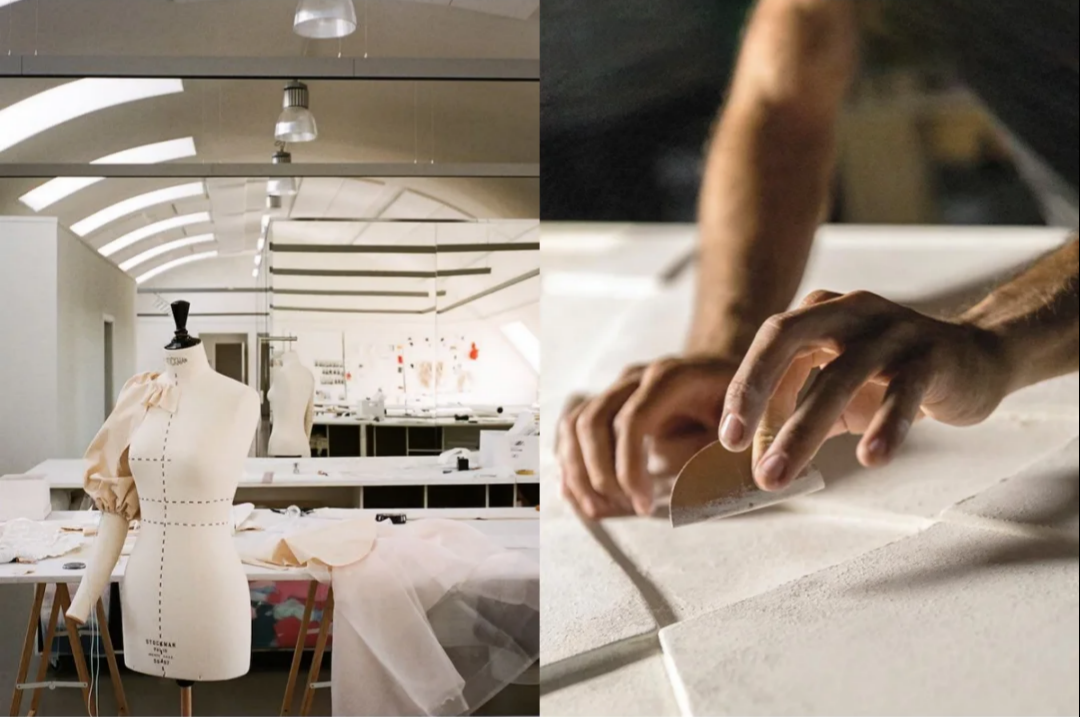
In the plus-size fashion industry, quality problems cost far more than a single return.
A garment with issues like seam breakage, shrinkage, pilling, or inconsistent sizing does not just create refunds — it damages customer trust.
And for many plus-size consumers, trust matters deeply.
Because finding clothing that feels comfortable, supportive, flattering, and reliable is still far more difficult than it should be.
That is why more plus-size brands are shifting their focus away from simply finding the lowest production cost, and toward building long-term partnerships with factories that truly understand plus-size apparel engineering.
A professional plus-size manufacturer should not only know how to produce garments — it should understand how garments perform during real-life wear and movement.
The 5 Most Important Quality Control Checkpoints
| Checkpoint | Why It Matters |
| Fabric Dimensional Stability Testing |
Prevents shrinkage, twisting, and fabric distortion after washing |
| Seam Strength Testing at Points of Strain |
Reduces seam breakage and garment failure during movement |
| Multi-Size Fit Consistency & Grade Rules |
Ensures larger sizes fit proportionally and comfortably |
| Pilling, Colorfastness & Abrasion Testing |
Improves durability and repeat purchase rates |
| Final AQL Inspection |
Maintains consistent bulk production quality |
Fabric Dimensional Stability & Shrinkage Testing
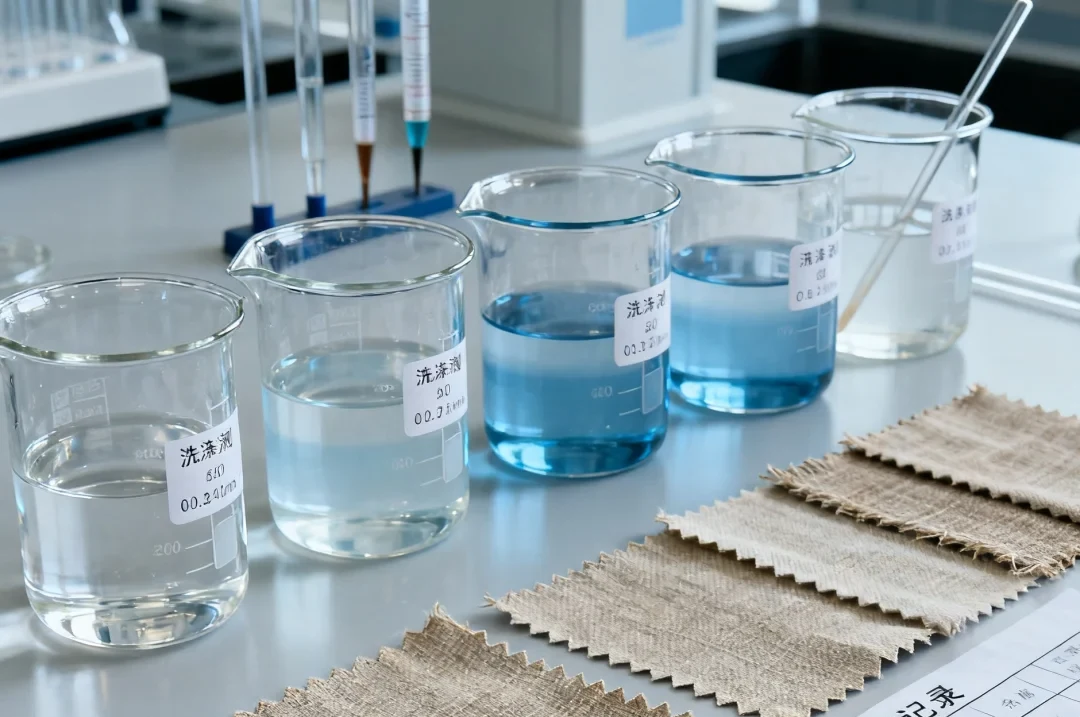
Many garment problems do not appear when customers first receive the product.
They appear after washing.
Common issues include:
Shrinking length
Tightened waistbands
Reduced stretch recovery
Twisting seams
Fabric distortion
In technical manufacturing terms, this falls under Dimensional Stability.
For plus-size consumers, these issues are especially noticeable because comfort and movement are critical parts of the wearing experience.
Plus-size garments often rely on softer and stretch-based fabrics such as:
Rayon
Jersey
Modal
Rib knit
Spandex blends
These fabrics can feel extremely comfortable, but they are also more vulnerable to instability if not properly tested before production.
A professional plus-size factory should always conduct:
Wash shrinkage testing
Fabric twisting tests
Stretch recovery testing
Post-wash measurement checks
Before approving production, brands should ask factories:
- Do you pre-shrink fabrics?
- Do you perform wash testing for every fabric?
- Can you provide shrinkage test reports?
- Is bulk production made from the same fabric batch as the samples?
Strong quality control starts before production — not after customer complaints.
Seam Strength Testing at High-Stress Points of Strain
In plus-size apparel, seams often fail before the fabric does.
The highest Points of Strain usually include:
Underarms
Crotch seams
Hip seams
Back seams
Shoulder areas
Armholes
These areas experience significantly more tension during daily movement.
If factories apply standard-size sewing methods to plus-size garments, the risk of seam failure increases dramatically.
Common problems include:
Broken seams
Split stitches
Fabric tearing around needle holes
Crotch blowouts
For customers, these problems immediately signal poor product quality.
More importantly, they make consumers feel that the brand does not truly understand plus-size bodies.
Professional plus-size manufacturers usually implement:
Seam strength testing
Reinforcement in high-tension areas
Movement-based fitting tests
Higher stitch density standards
Some advanced factories even conduct real wear testing involving:
Sitting
Squatting
Walking
Bending
Arm movement
Because the real challenge of plus-size apparel is not how it looks while standing still.
It is how it performs during movement.
Before selecting a factory partner, brands should ask:
- Do you conduct seam strength testing?
- How do you reinforce high-stress areas?
- What thread types do you use?
- Do you follow plus-size-specific sewing standards?
Multi-Size Fit Consistency & Grade Rule Verification
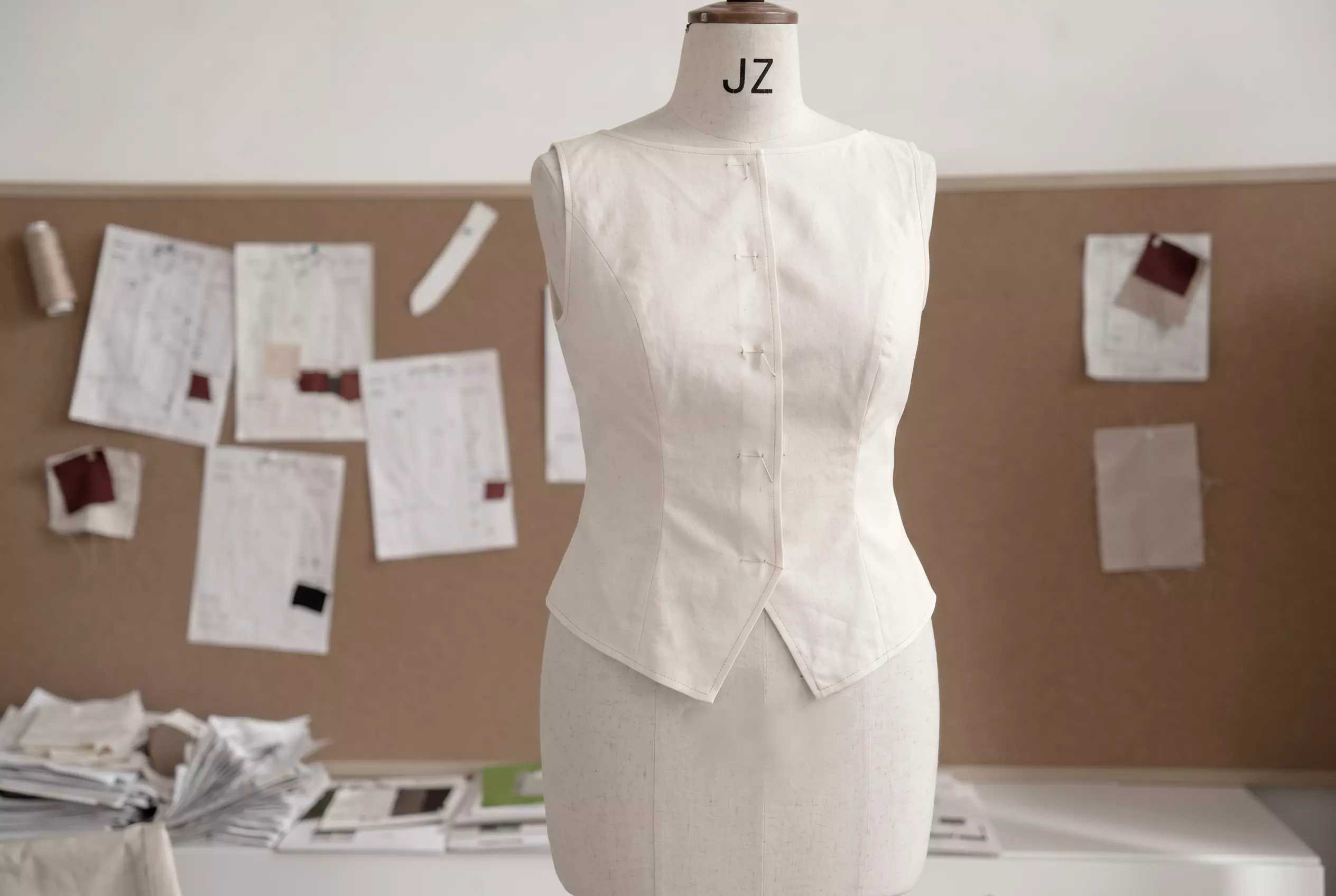
This is one of the most overlooked problems in plus-size manufacturing.
Many garments look excellent in the sample size — but once production reaches 3XL, 4XL, or 5XL, the fit begins to fail.
Typical issues include:
Shoulder shifting
Restricted arm movement
Tight hips with loose waists
Rising crotch seams
Front-to-back imbalance
Garments riding up while walking
The reason is simple:
Many factories still rely on improper grading methods by simply “scaling up” standard-size patterns.
But plus-size fashion is not enlarged straight-size clothing.
Proper Grade Rules for plus-size garments require completely different pattern logic.
Professional plus-size pattern development should account for:
Body weight distribution
Fuller arms
Larger abdomen areas
Back width
Hip proportions
Movement allowance
A true plus-size factory should conduct:
Multi-size fitting sessions
Plus-size fit model testing
Movement-based fit evaluations
Front/back balance checks
Because good plus-size fit means more than:
“It fits.”
It means:
“It feels comfortable while moving naturally.”
Before choosing a manufacturing partner, brands should ask:
- Do you have dedicated plus-size pattern makers?
- Do you perform fittings across multiple sizes?
- Do you use plus-size fit models?
- How do you handle different body proportions?
Pilling, Colorfastness & Abrasion Testing
Many brands experience strong initial sales but weak long-term repeat purchases.
The issue is often not design.
It is durability.
The most common complaints include:
Fabric pilling
Color fading
Surface whitening
Cracked prints
Rough fabric texture
These problems become even more visible in plus-size garments because friction levels are higher in areas such as:
Inner thighs
Underarms
Stomach areas
Back panels
Under-bust zones
If the fabric quality or finishing process is unstable, garments can quickly appear worn out after only a few uses.
For plus-size consumers, comfort and fabric feel are extremely important.
Once pilling begins, the garment immediately feels lower quality.
Professional factories should therefore perform:
Pilling tests
Abrasion resistance testing
Wash colorfastness testing
Rubbing colorfastness testing
Print durability testing
This is especially important for:
Leggings
Dark-colored garments
Stretch fabrics
Denim products
Brands should also ask factories:
- What colorfastness standards do you follow?
- Do you perform pilling tests?
- How is print durability evaluated?
- How do you improve high-friction areas?
These details often determine whether customers buy again.
Final Bulk Production AQL Inspection
Many brands assume:
“If the sample looks good, bulk production will too.”
Unfortunately, that is rarely true.
Most quality problems appear during mass production.
Especially when order volumes increase, factors such as:
Worker changes
Fabric batch variation
Outsourced production
Inconsistent sewing execution
can all create instability.
That is why professional factories implement AQL (Acceptable Quality Limit) inspection systems.
AQL is a standardized quality inspection method based on random sampling.
Instead of checking every garment individually, inspectors evaluate a selected quantity to determine the overall shipment quality.
Typical inspection categories include:
Measurement accuracy
Sewing quality
Appearance defects
Color consistency
Packaging accuracy
Label verification
For plus-size brands, consistency matters even more because consumers are highly sensitive to fit reliability.
One poor experience can permanently damage repeat purchase rates.
Before confirming production, brands should ask:
- Do you follow AQL inspection standards?
- Do you support third-party inspections?
- Can you provide final inspection reports?
- How are defective garments handled?
Professional manufacturers are usually transparent about their quality systems.
Final Thoughts: Real Quality Builds Long-Term Trust
Many people think quality control is only about reducing returns.
But in plus-size fashion, quality actually determines customer trust.
Because plus-size consumers have already experienced too many disappointing products:
Pants that dig into the waist
Dresses that restrict movement
Leggings that split
T-shirts that shrink after washing
Fabrics that pill too quickly
So when a brand consistently delivers:
Reliable fit
Comfortable fabrics
Durable construction
Better movement support
customers become extremely loyal.
And behind most successful plus-size brands is usually a manufacturing partner that truly understands plus-size consumers.
Because in today’s market:
Design attracts customers.
But quality is what makes them stay.
Looking for a manufacturing partner that understands these standards?
Contact us today to discuss how we help plus-size brands improve fit consistency, garment durability, and long-term customer satisfaction.