

The plus-size apparel market continues to grow, but many brands still operate with supply chains that were never built for the complexity of fit-sensitive products, especially when working with a Plus Size Clothing Manufacturer. Unlike straight-size production, plus-size development demands a more disciplined approach to pattern engineering, fabric performance and production control. Without that foundation, even a strong design direction can break down in sampling or bulk delivery.
For emerging and scaling brands alike, resilience means being able to move from concept to shipment with fewer surprises. It means reducing avoidable delays, maintaining more stable quality, and building a workflow that supports repeatable growth rather than one-off success. In practice, that usually comes down to five areas that should be aligned from the start.
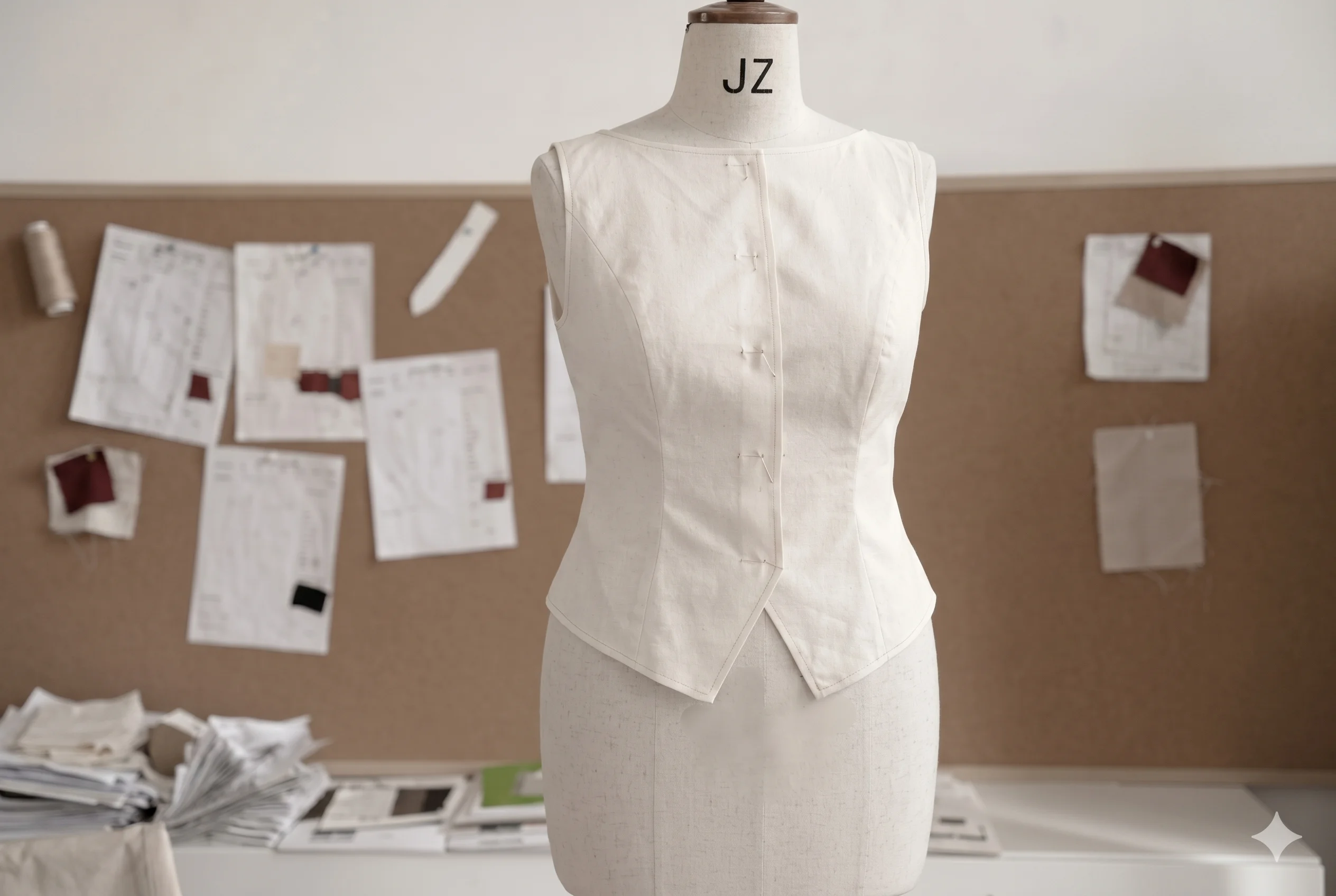
1. Start with a Plus-Size-Specific Fit System
One of the biggest reasons supply chains fail in this category is that brands rely on straight-size blocks that have simply been graded up. That approach often leads to poor balance, neckline distortion, armhole tension and inconsistent drape across the size range. Once fit problems appear late in sampling, they create a chain reaction of corrections that costs both time and money.
A more stable system starts with dedicated plus-size clothing development. That includes adjusted grade rules, better proportion control and earlier fit review. When the technical base is correct, the rest of the supply chain becomes easier to manage because decisions are being made on a more reliable product foundation.
Resilience begins long before bulk production. It starts with whether the product has been technically built to succeed.
2. Choose Fabrics for Performance, Not Just Appearance
Fabric selection has a larger impact in plus-size garments because comfort, recovery, opacity and drape all become more visible at scale. A fabric that looks attractive on a hanger may fail in wear if it bags out, twists after washing or cannot support the intended silhouette.
Brands should evaluate fabrics based on end use, not trend language alone. For daywear, stretch stability and hand feel often matter more than surface novelty. For occasionwear, lining compatibility and movement become just as important as shine or texture. Working with mills and suppliers that understand those functional priorities helps reduce risk before production even begins.
Material choice affects not only design expression, but also fit consistency, wear comfort and repeat-order reliability.
3. Build Sampling Around Decision Speed
Sampling is where many brands lose momentum. Delays often happen not because factories are slow, but because the development loop is fragmented. Missing trim decisions, unclear comments and inconsistent fit direction force multiple rounds of avoidable revisions. Over time, that weakens launch timing and eats into buying windows.
A stronger process shortens the gap between sample feedback and action. Clear tech packs, structured fit comments and direct communication with the development team help move projects forward with less friction. When the sampling phase is more disciplined, the transition into bulk production becomes more predictable.
4. Treat Quality Control as a System, Not a Final Step
Resilient supply chains do not depend on end-of-line inspection to catch every issue. They build quality control into the workflow from the start, beginning with incoming material checks and continuing through cutting, sewing, ironing and final packing. This is especially important in plus-size apparel, where measurement tolerance and workmanship consistency have a direct impact on customer confidence.
Quality systems are most effective when they are documented, repeatable and independent enough to challenge production when necessary. Brands should look for partners who can explain how quality is checked at each stage, not just promise that everything will be reviewed before shipment.
5. Build with a Long-Term Factory Mindset
The most resilient supply chains are collaborative. They are built with partners who understand your category, your standards and your pace of growth. A good factory relationship is not only about output. It is also about whether the team can support product refinement, flag technical issues early and help you scale with fewer operational shocks.
For plus-size brands, that kind of partnership matters even more. The category demands more technical care, and long-term consistency usually comes from teams that are learning your fit logic and brand direction over time rather than starting from zero on every order.
Key Takeaway
A resilient plus-size supply chain is built through alignment: fit, fabric, development, quality control and delivery all need to support one another. When one part is weak, the entire process becomes harder to scale.
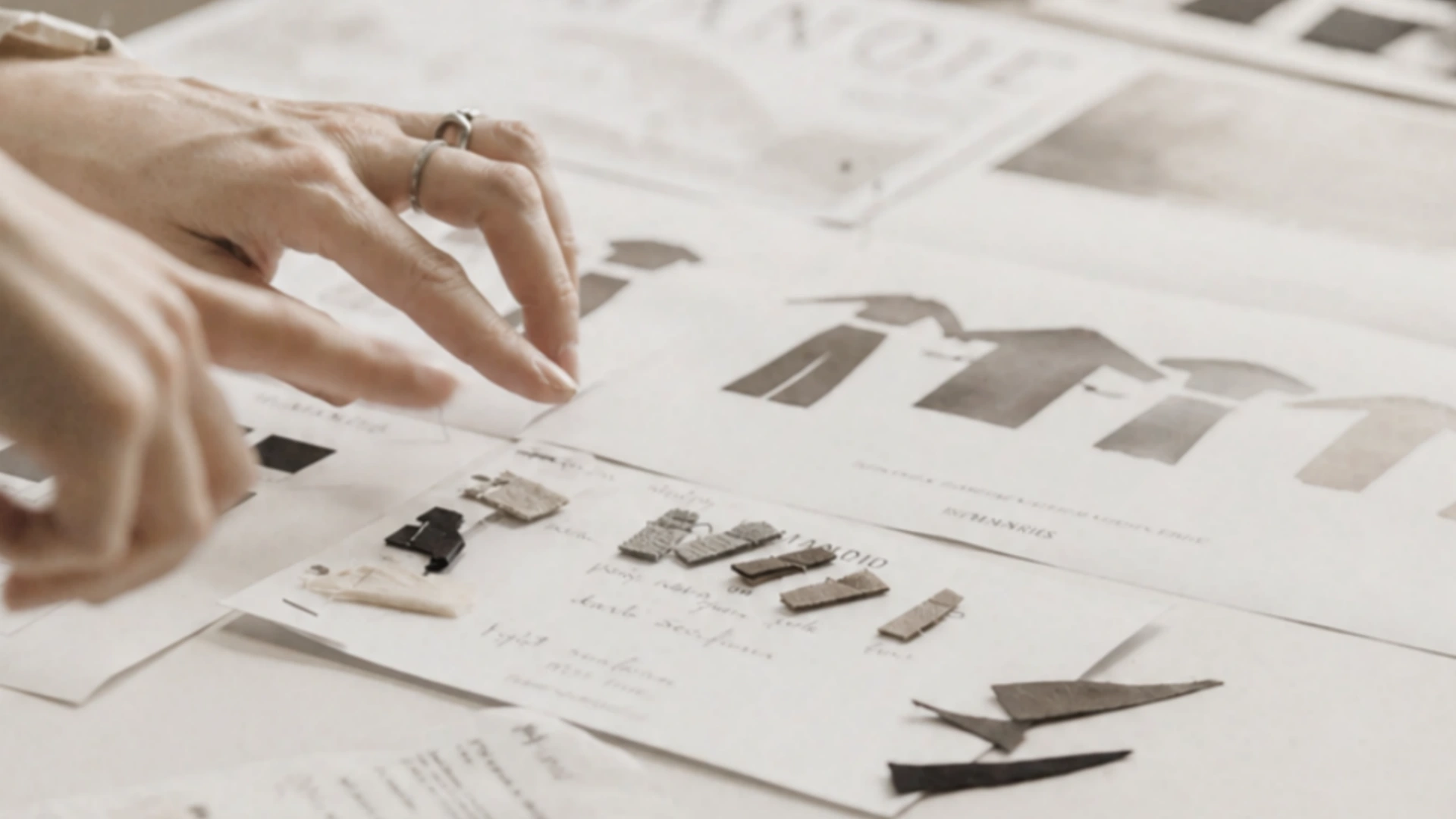
Conclusion
Brands that want to grow in 2026 need more than access to production. They need a development and manufacturing system that can support technical accuracy, flexible response and long-term consistency. Resilience is not created by one department alone. It is created when the full chain is designed to reduce friction and protect product quality from concept to shipment.
At Yixuan International, we support brands through design development,sourcing, sampling, production and quality management with a workflow tailored to plus-size apparel. If your team is planning the next collection or reviewing factory strategy, this is the right time to strengthen the system behind the product.