Evaluate a cozy heavyweight oversized hoodie by checking its dropped shoulders, pocket construction, measured fit and proposed branding before approving a sample.
FROM ATTITUDE model CS3WSY02 provides a product-specific starting point for this review. Its page identifies a relaxed shape, customization options and a measurement chart. The useful buying decision is whether the proposed sample matches the intended collection, rather than whether an oversized label sounds suitable.
Start with the intended silhouette
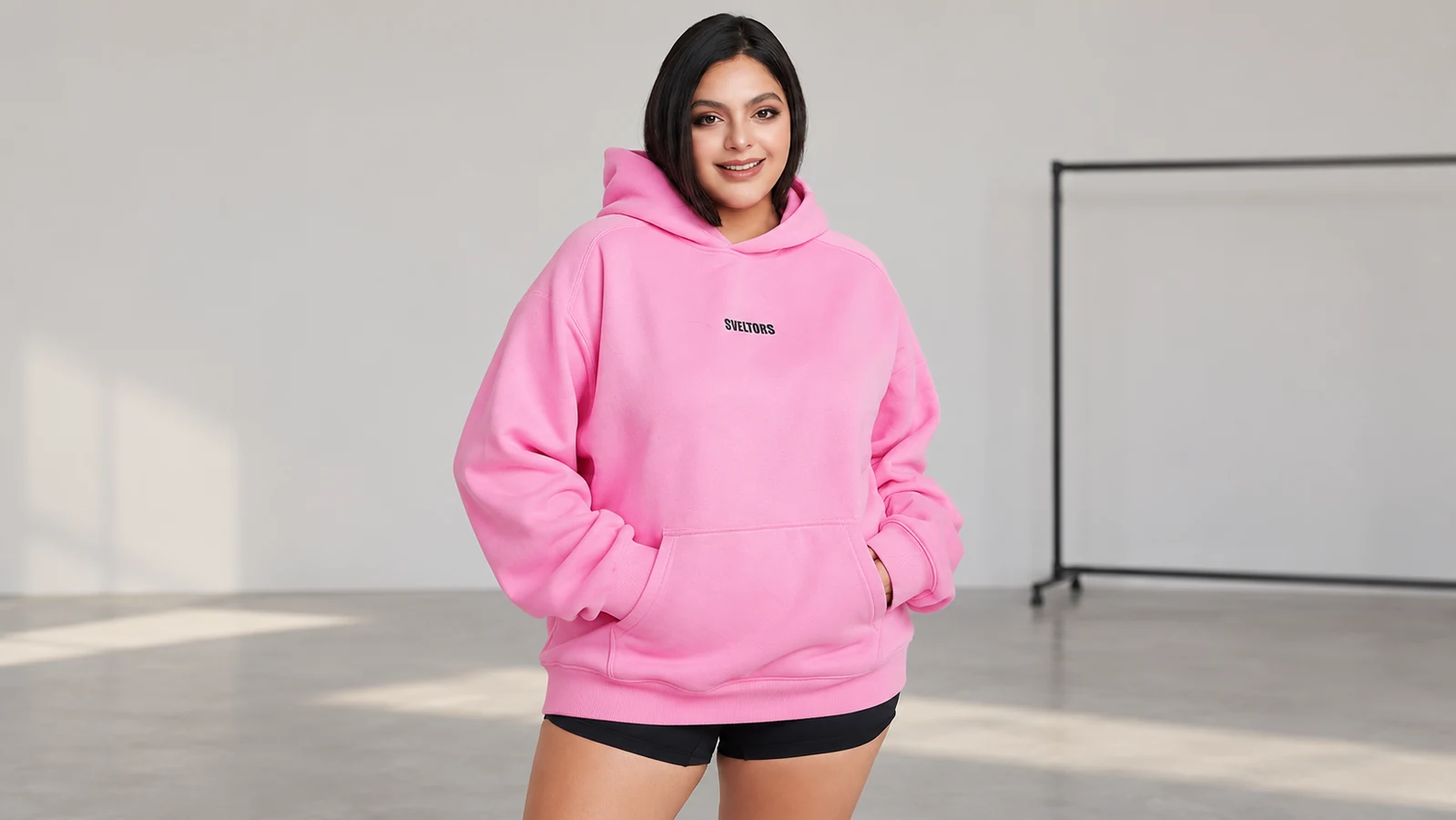
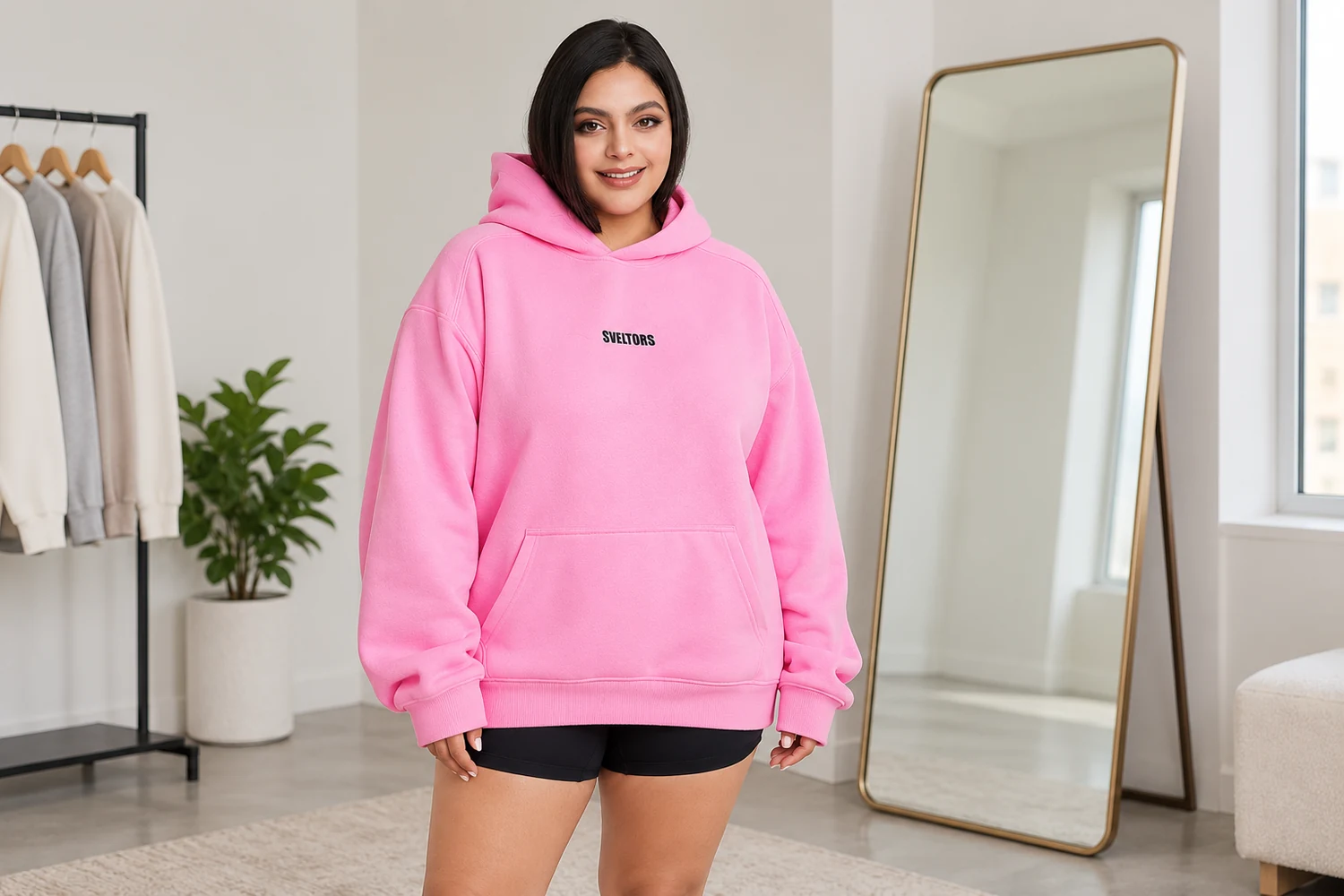
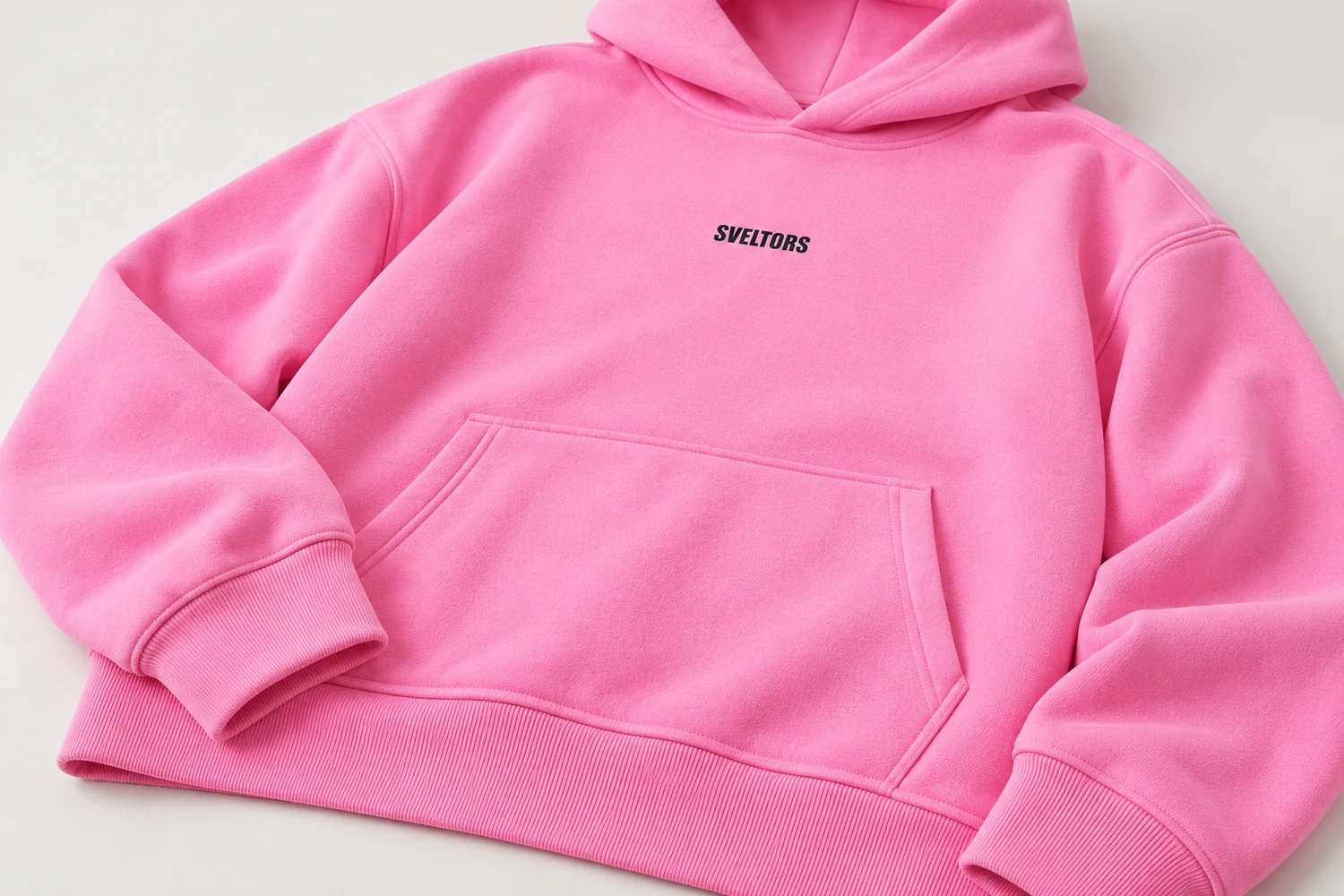
The first decision is how the hoodie should sit on the intended wearer. The product highlights describe a trendy oversized silhouette with dropped shoulders. That description establishes a design direction, but the buyer still needs to define the amount of room, preferred hem position and relationship between the sleeve and hand. A fitting should use the customer profile and styling brief planned for the collection.
Check shoulder and sleeve balance
Observe where the shoulder seam falls and whether the sleeve hangs cleanly when the arms are relaxed. Then ask the wearer to reach forward and bend the elbows. These simple observations help separate the deliberate loose shape from unwanted pulling or excessive bunching. Record the pose and viewing angle so a revised sample can be assessed against the same reference.
Review the hood and front pocket
The kangaroo pocket is a named feature of this model. Inspect its opening, attachment and position on the body rather than assuming a particular storage capacity. Check the hood both raised and lowered, observing neckline comfort and how the front hangs. The garment should be reviewed as a whole; an attractive pocket close-up cannot establish overall fit.
Turn the published chart into clear sample questions
The page lists sizes from M through 6XL and mentions custom grading, while its measurement chart supplies M, L and XL rows. These are different kinds of information: an available size label is not a complete production measurement specification. Request the remaining measurements if the assortment extends beyond the chart, and confirm which dimensions are being measured on the garment.
Keep measurements and units explicit
The following values reproduce the published centimetre rows. Use them as reference points for a discussion, not as an independent promise of fit. The page also provides inch rows; confirm any conversion or rounding with the supplier before publishing a customer size guide. A written measurement method should explain the start and end points and whether the garment is laid flat or otherwise prepared.
| Published size | Length (cm) | Bust (cm) | Sleeve (cm) |
|---|---|---|---|
| M | 60.5 | 139 | 61.5 |
| L | 61.5 | 144 | 61.5 |
| XL | 63 | 149 | 63 |
Assess the size set, not one label
A cozy heavyweight oversized hoodie should be checked against the intended wearer measurements and desired ease. Do not assume that selecting a larger named size reproduces the same proportions. Compare the proposed size set and identify where sleeve length, body width and hem position need further review. Fit comments become more useful when each observation refers to a specific sample and agreed measurement point.
Separate fabric description from demonstrated performance
The specification declares 100% cotton composition, and the highlights describe high-density fleece. Those statements can guide sample questions, but they do not provide a numerical fabric weight or a tested warmth rating. Buyers should avoid assigning a grams-per-square-metre value from photographs, garment bulk or descriptions used for other hoodies.
Inspect handle and appearance together
Assess heavyweight fabric through the actual sample, considering its surface, drape and feel alongside the intended use. Review whether the pocket and sleeves retain the planned shape when the garment is worn. Record visible seam irregularities or uneven construction for clarification without turning an initial inspection into an unsupported durability claim.
Agree care and after-care checks
Ask for the proposed care instructions and an appropriate evaluation of appearance and dimensions after that care process. A fresh sample alone cannot establish how a finished garment will behave after use. General textile testing distinguishes dimensional change from appearance assessment; the supplier should identify evidence relevant to the actual fabric and decorated garment. No testing certification or performance result is established by this product listing.
Connect branding choices with the collection role
For cold weather assortments, buyers can explore the documented substantial silhouette while checking layering space and the intended wearing environment. Season labels alone cannot establish comfort in every climate. A showroom review can compare the hoodie with the proposed base layer and bottoms, keeping the assessment focused on the collection rather than making universal styling or warmth promises.
The page lists customized embroidery and describes screen printing in the product highlights. Private label apparel sourcing should therefore begin with an artwork and placement brief, followed by a decorated sample for review. Confirm the proposed method, dimensions, colour and position with the supplier. The logo visible in the product photograph is a reference presentation, not automatic approval for another brand to use it.
Use a focused sample approval sequence
A short sequence keeps product selection practical. Each review should finish with a clear outcome: accept the detail, request a change or ask for missing evidence. Keep the current sample separate from requested future changes so the approved specification remains understandable to both the buying and development teams.
- Define the collection role and intended customer profile before choosing the review sizes. Include the preferred silhouette, layering assumptions and presentation requirements.
- Confirm the measurement chart and method. Identify missing sizes, agreed measuring points and any dimensions that need revision.
- Inspect the garment on the wearer and on a table. Review the shoulder, hood, sleeves, pocket and hem, recording clear photographs and comments.
- Approve the proposed branding on a sample. Check placement and appearance, and ask for care-related evidence appropriate to the selected application.
- Confirm the sample specification and packaging presentation. Keep requested changes, supplier responses and the approval record together before discussing the order.
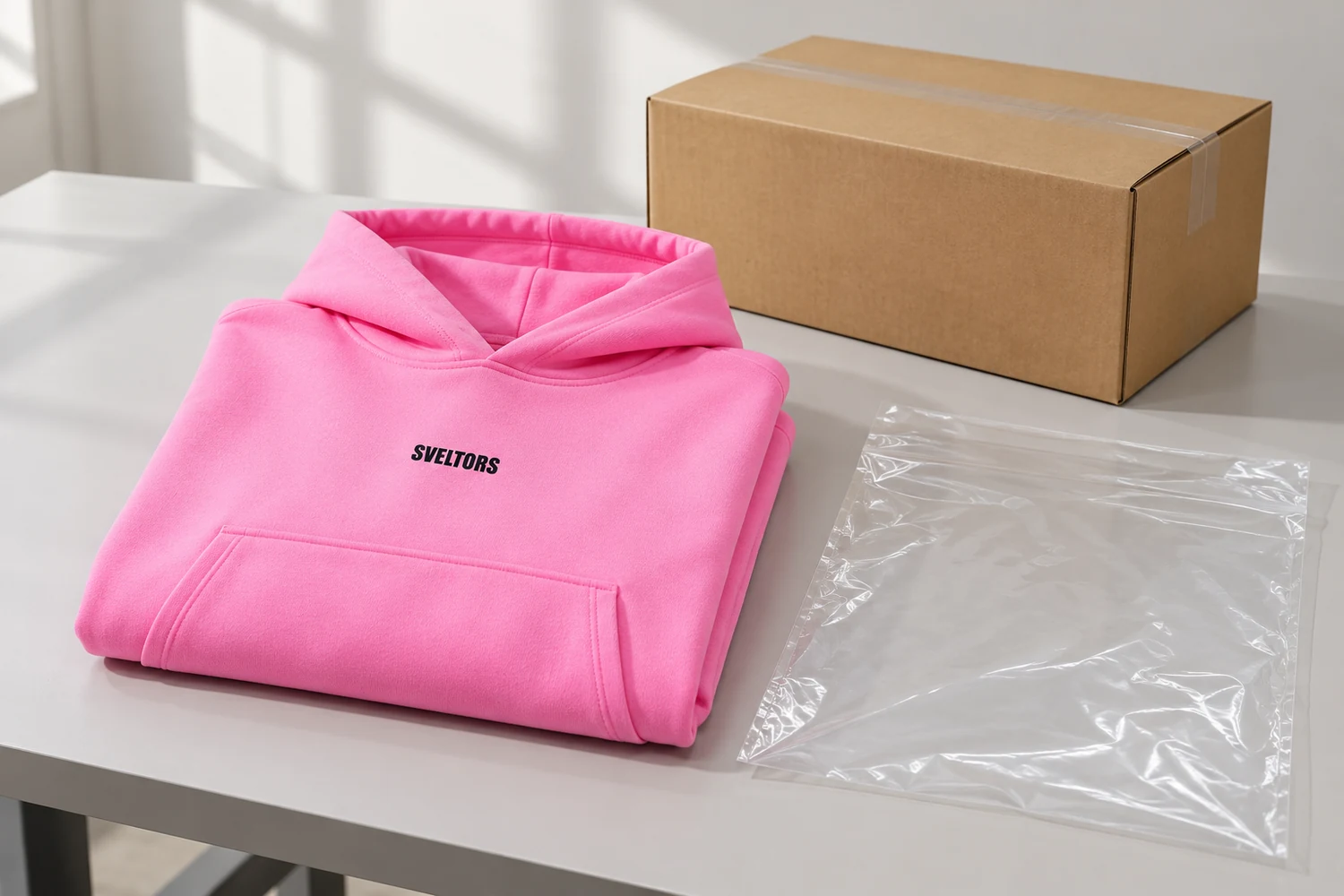
The product information lists individual poly bags with cartons and custom packaging options. Treat these as a starting point for packing discussions, including the intended folded presentation and proposed labels. A packaging image cannot establish a shipping specification. Confirm what will accompany the approved garment and ensure the packing arrangement does not obscure the details that receiving teams need to inspect.
Frequently asked questions
Does oversized mean the hoodie fits every body shape?
No. It describes the intended loose silhouette, not a universal fit result. Assess the proposed measurements, wearer profile and movement together. Custom grading is listed, but its details need to be agreed for the required range.
Is the fabric weight published?
The page uses heavyweight and high-density descriptions without a numerical weight in the extracted specifications. Request the proposed fabric specification instead of borrowing a value from another garment or interpreting the photograph as a measurement.
Can the listed sizes replace a complete size chart?
No. The size list extends beyond the M, L and XL measurement rows. Ask for the missing rows, measurement method and intended tolerances before approving a broader size allocation or preparing a customer-facing guide.
Should embroidery and printing be treated as equivalent?
They are alternative customization routes described on the page. The proposed artwork and garment need their own sample review. Confirm the selected method and inspect its appearance rather than assuming every design produces the same result.
What belongs in the first development inquiry?
Identify model CS3WSY02, the intended collection, required size range and sample questions. Include the proposed artwork when relevant. The page lists customized samples and OEM/ODM service; the specific development arrangement still needs supplier confirmation.
Review the hoodie against a defined brief
Use the cozy heavyweight oversized hoodie product page to prepare a sample discussion with FROM ATTITUDE. Bring the intended measurements, branding proposal and unresolved care or packaging questions, then confirm the reviewed specification before making the assortment decision.